


If you’ve noticed itching, burning, unusual discharge, or a strong odor, you may have vaginitis. This simply means the tissue inside the vaginal area is irritated or inflamed. Vaginitis is common, and while it can be uncomfortable, the right next step depends on what is causing the symptoms.
At All-Inclusive Preventive Care in Miami Gardens, we understand that these symptoms can be stressful or even embarrassing, especially when they keep coming back or do not improve after over-the-counter treatment. Our bilingual APRN-led team can evaluate your symptoms, collect samples when appropriate, and help you understand the next step.
If symptoms are new, persistent, or recurring, schedule a women’s health or gynecology visit at our Miami Gardens clinic.
📍 16361 NW 57th Ave, Miami Gardens, FL 33014
📞 (305) 200-3141
What is vaginitis?
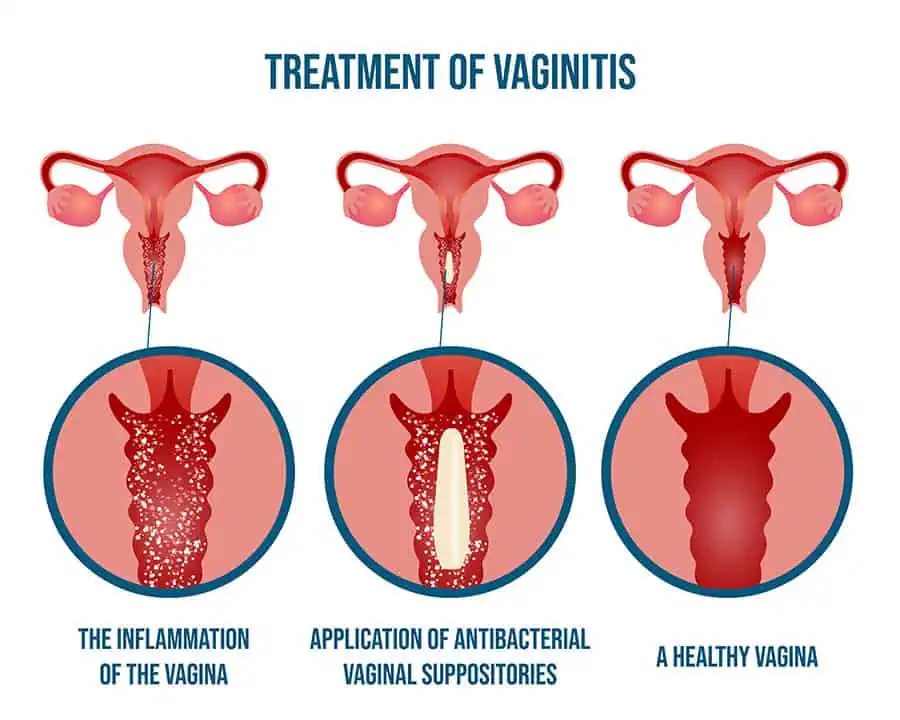
Vaginitis is inflammation, swelling, or irritation of the vaginal area or vulva. Normally, healthy bacteria called lactobacillus keep your vaginal pH, or acid level, balanced. This balance helps protect against infection.
When that balance is thrown off — for example, by antibiotics, hormone changes during menopause, or an infection like Trichomonas vaginalis, a small parasite passed through sexual contact — it can lead to odor, unusual discharge, or pain. Some patients don’t notice any symptoms, which is called asymptomatic, but untreated vaginitis can still affect long-term health.
Symptoms you should watch for
Everyone’s experience is different, but these are the most common signs:
| Symptom | What it may mean | Why it matters |
|---|---|---|
| Unusual discharge, including watery or thick discharge | Overgrowth of yeast or bacteria | May suggest a vaginal yeast infection or bacterial vaginosis |
| Strong, fishy odor | Often bacterial vaginosis with higher pH | May be linked to bacteria like Gardnerella vaginalis |
| Itching, burning, or skin irritation | Reaction to products like soap, tampons, spermicide, or a fungus | Removing triggers and treating the cause may help reduce symptoms |
| Burning when passing urine, also called dysuria | Irritation or infection | May need evaluation to determine the right next step |
| Pain during sex, also called dyspareunia | Atrophic vaginitis from low estrogen or dryness | May need evaluation for hormone-related changes or irritation |
| Spotting or light vaginal bleeding | Infection, tissue changes, or irritation | Should be discussed with a provider |
| Pelvic pain or swelling | Infection or inflammation | Should be checked quickly |
| Fever | Possible infection outside the vaginal area | May require urgent medical care |
If you are pregnant and notice symptoms, contact your OB/GYN, prenatal care provider, or seek urgent medical guidance. All-Inclusive Preventive Care does not provide obstetric care, but pregnant patients may be seen for primary care concerns when appropriate.
Causes of vaginitis
- Bacterial vaginosis: Often called BV. This may be caused by too much growth of certain bacteria, such as Gardnerella vaginalis or Mycoplasma hominis.
- Yeast infection: An overgrowth of fungus, often Candida. It may cause thick discharge, itching, and irritation.
- Trichomoniasis: A sexually transmitted infection caused by Trichomonas vaginalis. It can spread through sexual contact and may cause frothy discharge and strong odor.
- Other STIs: Infections such as chlamydia, gonorrhea, or herpes simplex virus can cause similar irritation. Some are asymptomatic, meaning there are no noticeable symptoms, so they can be harder to detect without testing.
- Allergy or irritants: Reactions to fragranced toilet paper, tampons, feminine hygiene sprays, spermicide, harsh soap, or tight clothing and underwear.
- Atrophic vaginitis: Thinning or dryness of vaginal tissue linked to menopause, low estrogen, childbirth, or breastfeeding. It may cause dryness and dyspareunia.
- Risk factors: Conditions such as diabetes, HIV, immune system concerns, prior surgery or scarring, some forms of birth control, and recent antibiotic use may affect vaginal health.
How vaginitis is diagnosed
At All-Inclusive Preventive Care, diagnosis begins with a review of your medical history and a pelvic exam. During the exam, your provider may gently use a cotton swab to collect a sample from the vaginal area or cervix. This process is quick and usually causes little to no discomfort.
Depending on your symptoms, tests may include:
| Test | What it checks |
|---|---|
| pH test | Checks the acid level inside the vaginal area. A higher pH can point to bacterial vaginosis or Trichomonas. |
| Saline wet mount | A sample is mixed with saline, or salt water, and viewed under a microscope. This may help identify cells, yeast, or parasites like Trichomonas vaginalis. |
| KOH prep | A solution called potassium hydroxide may be added to the sample. This can make fungus easier to see under the microscope and may provide clues for bacterial vaginosis. |
| Polymerase chain reaction, or PCR | A lab test that looks for the DNA of infections such as chlamydia, gonorrhea, or trichomonas. PCR may detect certain infections even in patients with no symptoms. |
Testing can help narrow down the possible cause of symptoms so your provider can recommend the next step. Some samples may be collected in the office and sent to an outside lab for processing when appropriate.
Treatment options
Treatment depends on the cause. Your provider may recommend medication, lifestyle changes, partner treatment, or follow-up care based on your exam and testing when appropriate.
| Cause | Treatment | Medication | What patients should know |
|---|---|---|---|
| Bacterial vaginosis | Antibiotic treatment may be recommended | Metronidazole or clindamycin | Take medication exactly as prescribed if treatment is given |
| Yeast infection | Antifungal treatment may be recommended | Clotrimazole suppository or fluconazole | The right treatment may depend on symptoms, history, and whether symptoms keep returning |
| Trichomoniasis | Antimicrobial treatment may be recommended | Oral metronidazole | Partner treatment is often recommended; avoid sex until treatment is complete or your provider says it is safe |
| Atrophic vaginitis | Hormone therapy may be discussed | Estradiol cream or vaginal ring | May help restore moisture and reduce discomfort when appropriate |
| Irritant or allergic vaginitis | Lifestyle changes | — | Avoid douches, harsh soap, spermicide, or perfumed feminine hygiene products |
This page is for education only. Your provider can help determine which treatment, if any, is appropriate based on your symptoms and testing when needed.
Recovery tips
- Finish all medication. Stopping an antibiotic or antifungal early can make symptoms return.
- Ask about rebuilding balance. Your provider may discuss probiotics, lactobacillus, or other ways to support healthy vaginal flora when appropriate.
- Treat partners if needed. With Trichomonas, partner treatment is often recommended. Practice safer sex with a condom when recommended.
- Address menopause symptoms. For atrophic vaginitis, local hormone therapy such as estradiol may improve dryness and comfort when appropriate.
- Know when to seek care quickly. If you are pregnant, have heavy bleeding, fever, pelvic pain, or ongoing pain, seek medical guidance.
Prevention and self-care
You can lower your chances of vaginitis with a few daily habits:
- Practice safer sex. Use a condom and stay up to date with STI testing and cancer screening.
- Avoid harsh products. Don’t use a douche, fragranced soap, or perfumed feminine hygiene sprays.
- Choose breathable clothing. Wear cotton underwear and change after exercise or swimming.
- Support your overall health. A balanced diet, hydration, regular exercise, and preventive care can support your general health.
- Ask about pelvic floor care. Kegel exercises may help some patients with dryness or dyspareunia.
- Stay proactive. Book your annual gynecological exam or annual physical exam when recommended.
When to seek care right away
Schedule a visit or seek medical guidance if you notice:
- Fever or pelvic pain
- Heavy vaginal bleeding
- Symptoms during pregnancy
- No improvement after over-the-counter yeast infection treatment
- More than four infections in a year
- Painful sores, which may be herpes simplex virus
- New or worsening symptoms
- Symptoms after possible STI exposure
If symptoms feel severe or urgent, seek urgent care or emergency care. For routine but concerning symptoms, schedule a women’s health or gynecology visit at All-Inclusive Preventive Care in Miami Gardens.
FAQs
Is vaginitis contagious?
It depends on the cause. Bacterial vaginosis and yeast infections usually come from changes in your own vaginal flora, so they are not considered contagious. Trichomonas vaginalis, however, is a sexually transmitted infection that spreads through sexual contact. In that case, partner treatment may be recommended to help prevent symptoms from coming back.
How long does vaginitis last?
With the right medication, many patients feel better within a few days. However, certain types, such as atrophic vaginitis linked to menopause and low estrogen, can be ongoing and may need longer-term follow-up. If symptoms persist or return, schedule an evaluation.
Can vaginitis cause cancer?
Vaginitis itself does not turn into cancer. However, symptoms should not be ignored, especially if they are persistent, recurring, or linked with bleeding, pelvic pain, or abnormal screening results. Routine exams and early follow-up are important.
Can vaginitis go away on its own?
Mild irritation may improve after stopping products that cause symptoms, such as fragranced soap or sprays. However, symptoms that persist, return, or include odor, unusual discharge, burning, or pelvic discomfort should be evaluated. Treatment depends on the cause, and testing may be recommended.
Vaginitis care in Miami Gardens
At All-Inclusive Preventive Care, our APRN-led team helps adults in Miami Gardens understand symptoms such as itching, odor, irritation, unusual discharge, burning, or recurring discomfort. Your visit may include a symptom review, exam, sample collection, testing when appropriate, and a care plan based on your results and health history.
Our Miami Gardens clinic also provides women’s health services, gynecology visits, STI testing, primary care, and preventive health support for adults 18 and older. If symptoms are new, persistent, or keep coming back, scheduling an evaluation can help you understand what may be causing them and what next step may be appropriate.
📞 Call (305) 200-3141 or book online to schedule your Miami Gardens women’s health appointment.
Schedule your Miami Gardens preventive care appointment today.
This article was reviewed for medical accuracy by Dr. Evelyn Rodriguez, APRN and owner at All-Inclusive Preventive Care in Miami Gardens, FL. Dr. Rodriguez leads the clinic’s APRN-led team, providing care that focuses on preventive health, women’s health, and patient education.
