

Can Hormones Affect Weight Gain? BHRT for Women in Miami Gardens

Hormones play a major role in weight gain. They affect your metabolism (how your body burns calories), your appetite, and where your body stores fat. For women in Miami Gardens, changes in hormones like estrogen, insulin, cortisol, and thyroid hormones can make it harder to lose weight.
Bioidentical hormone replacement therapy (BHRT) is a treatment that uses hormones similar to the ones your body makes. In a licensed clinic, BHRT may help restore balance and support healthy weight management under medical supervision.
Understanding Hormonal Weight Gain
If your weight changes suddenly or feels stuck, even when you eat well and exercise, hormones may be part of the reason.
Hormones are chemical messengers in the body. They help control metabolism, appetite, and how your body stores fat. When hormone levels are too high or too low, the body may hold on to more calories as fat and break down less muscle. This can happen with normal aging, high stress, or conditions such as menopause, insulin resistance, or thyroid disease.
In women, lower estrogen and progesterone levels, which often happen around menopause, can slow metabolism and lead to more fat around the abdomen. High cortisol, the main stress hormone, can increase appetite and raise blood sugar. Insulin resistance, when the body does not respond well to insulin, can cause more fat to build up around the abdomen and hips. Over time, these changes affect body shape, mood, and energy. Low estrogen can also contribute to bone loss and osteoporosis, another common health concern after menopause.
Key Hormones That Affect Weight in Women
Several hormones work together to control how your body uses and stores energy:
- Estrogen and progesterone: These are key female hormones. When they drop around menopause, fat can shift toward the abdomen and appetite signals can change.
- Cortisol: This is the main stress hormone. Ongoing stress can keep cortisol high, which may increase hunger and lead to more weight around the midsection.
- Insulin: This hormone helps move sugar from the blood into cells. High insulin or insulin resistance can lead to more fat storage and a higher risk of type 2 diabetes.
- Thyroid hormones: These hormones come from the thyroid gland in your neck. Low thyroid activity (hypothyroidism) slows metabolism and can cause fatigue and weight gain.
- Leptin and ghrelin: Leptin helps you feel full, and ghrelin helps you feel hungry. When these appetite hormones are out of balance, you may feel hungrier and eat more than your body needs.
These hormones interact with skeletal muscle, body fat (adipose tissue), and the brain to keep energy use in balance. Even small changes in hormone levels can affect how easily you gain or lose weight.
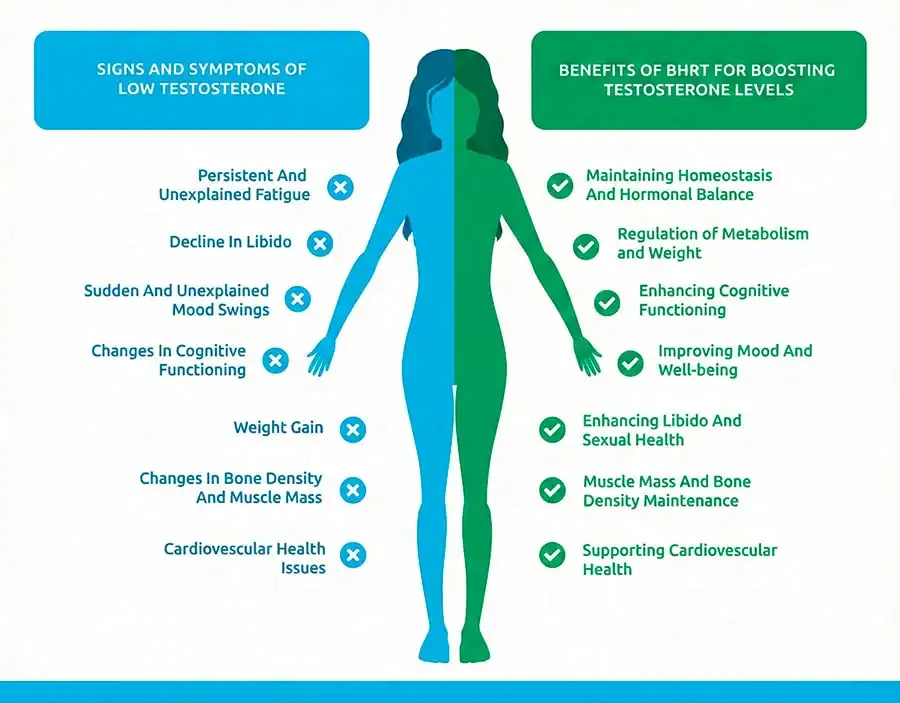
How Do I Know If My Weight Gain Is Hormonal?
Not all weight gain is caused by hormones. Eating patterns, movement, sleep, and stress all play a role. Still, some signs can point toward a hormonal cause. You may notice:
- Unexplained or stubborn weight gain
- Fatigue, insomnia, or poor sleep quality
- Mood changes, anxiety, or lower interest in intimacy
- Hot flashes or changes in your menstrual cycle
- Bloating or water retention
- Trouble losing fat around the abdomen, even with diet and exercise
If these symptoms sound familiar, it is important to talk with a licensed medical provider. A full evaluation usually includes blood tests, a review of your medical history, and questions about your lifestyle. This helps check thyroid function, estrogen and progesterone levels, cortisol, and signs of insulin resistance before any treatment is started.
How BHRT May Help With Hormone-Related Weight Changes
Bioidentical hormone replacement therapy (BHRT) uses plant-based hormones that are made to match the hormones your body already produces. The goal is to bring low levels back into a healthy range.
Under the supervision of an experienced provider, BHRT may support weight management by:
- Improving sleep quality and reducing fatigue
- Stabilizing mood and supporting mental health
- Increasing energy and supporting a healthier metabolism
- Reducing hot flashes, night sweats, and other menopause-related symptoms
BHRT is not a stand-alone weight loss treatment. It works best when it is combined with healthy lifestyle changes and supervised medical weight management programs, such as nutrition plans or, when appropriate, medications like semaglutide to help control appetite.
When hormones are more balanced, many patients find it easier to stay active, follow a healthy diet, and manage stress—key parts of initial weight loss and long-term weight control. For extra guidance, explore our blog on building a healthy lifestyle, which covers habits that support metabolism and hormone health.
Some patients also benefit from intravenous therapy (IV therapy), which can help replenish fluids, vitamins, and nutrients for better recovery, hydration, and energy.
BHRT vs Other Weight-Management Options
| Approach | Focus | Typical Benefit |
|---|---|---|
| BHRT | Restores estrogen, progesterone, and hormone balance | May improve sleep, mood, and metabolism |
| Medical Weight Loss | Nutrition plans, medications such as semaglutide, and lifestyle support | Supports appetite control and fat reduction |
| Lifestyle Changes | Exercise, balanced diet, and stress management | Promotes heart health and long-term stability |
Some patients at All-Inclusive Preventive Care use BHRT along with supervised medical weight loss. These programs may include semaglutide therapy to help manage appetite and insulin levels under medical supervision, while BHRT addresses the hormonal changes that make progress more difficult.
Together, these strategies can support metabolism, reduce cardiovascular disease risks like high blood pressure and cholesterol, and help patients reach sustainable weight management.
Why Miami Gardens Women Notice Hormonal Weight Changes After 40
Women in Miami Gardens often face added daily stress. Long commutes, warm weather, and busy schedules can all affect cortisol levels and sleep. Over time, these factors change metabolism, appetite, and mood.
At All-Inclusive Preventive Care, patients receive in-office hormone evaluation, blood testing, and personalized care plans that consider lifestyle, nutrition, and mental health. For hydration and recovery support, many also explore IV therapy for wellness and energy as part of their overall plan.
The clinic is located at 16361 NW 57th Ave, Miami Gardens, FL 33014, offering convenient access for adults seeking preventive care and hormone therapy in a licensed medical setting.
Takeaway: Balanced Hormones, Better Health
Hormones affect more than mood—they influence metabolism, sleep, heart health, and body composition. If you’re struggling with fatigue or weight gain around menopause, you don’t have to guess why.
Schedule a consultation at All-Inclusive Preventive Care in Miami Gardens, FL to learn whether medically supervised BHRT or a personalized weight management plan may help you reach your goals.
📞 Call (305) 200-3141 or book your visit online.
Schedule your Miami Gardens preventive care appointment today.
Medically Reviewed by Evelyn Rodriguez, APRN
Evelyn Rodriguez, APRN, is the owner of All-Inclusive Preventive Care in Miami Gardens, Florida. She completed her medical training in obstetrics and family planning and specializes in gynecology, preventive care, and sexual health services